

Motivation & Lifestyle · 11 September 2026
A Healthy Schedule Needs Breathing Room
A full calendar is not always the same as a full life.
High standards can encourage growth. Perfectionism can make every mistake feel like evidence that we are not good enough.

By ORACLES STUDIOS ·
There is nothing wrong with wanting to do something well.
A student can care about grades.
An artist can care about technique.
A musician can want to play the piece correctly.
The problem begins when “I want to do well” quietly becomes “Anything less than perfect means I failed.”
Perfectionism can make children avoid challenges where success is uncertain.
It can turn one disappointing result into a judgement about identity.
It can also hide behind impressive performance.
The child may appear highly motivated while privately feeling that mistakes are unacceptable.
Parents and teachers can help by talking about process in a more balanced way.
HealthyChildren.org recommends focusing on effort and process when helping young people who struggle with perfectionism.
That does not mean pretending outcomes do not matter.
If a student did not prepare enough, say so.
If an artwork needs more work, help them see it.
Kindness and standards are not opposites.
The difference is whether feedback points toward growth or toward shame.
Young people also watch how adults respond to their own mistakes.
If every wrong turn, forgotten appointment or imperfect result produces self-criticism, children learn that perfection is expected even when nobody says it aloud.
Progress is usually less dramatic.
Try.
Notice.
Adjust.
Try again.
There is pride available in that cycle long before anything becomes perfect.
And in most worthwhile things, perfect never arrives anyway.
Motivation & Lifestyle · 11 September 2026
A full calendar is not always the same as a full life.

Motivation & Lifestyle · 11 September 2026
Movement becomes easier to sustain when it looks like play, transport, sport, exploration or time together.
Motivation & Lifestyle · 11 September 2026
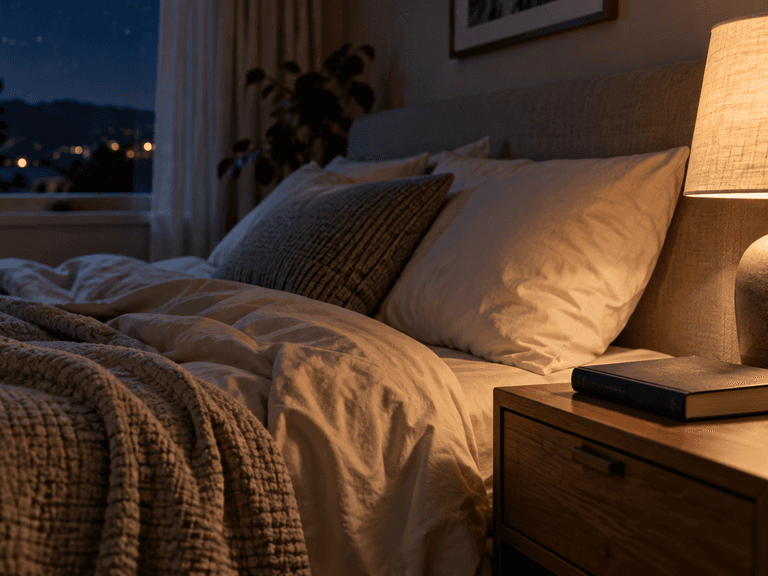
When schedules become crowded, sleep often looks like spare time. For children and teenagers, it is anything but spare.