
ART · 11 September 2026
Five Better Questions Than “Is My Drawing Good?”
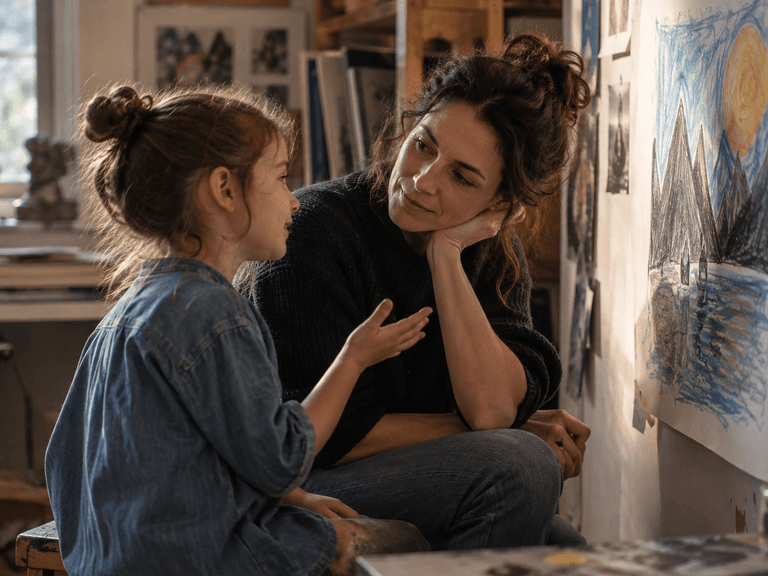
Talking about art can help children move beyond seeking approval and start thinking about choices, ideas and possibilities.
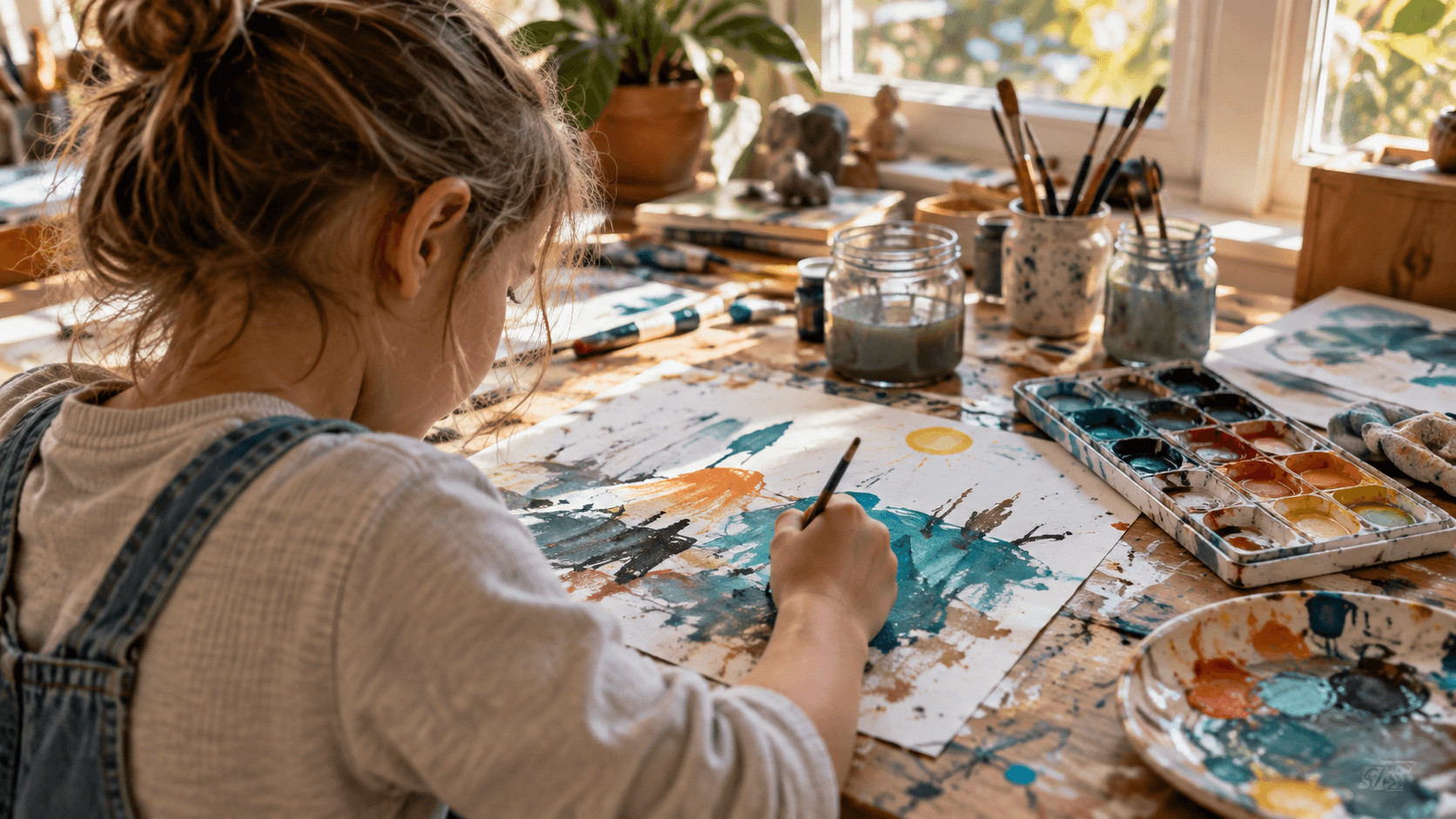
A beautiful finished picture is nice to have. What happened while a child was making it can be far more interesting.
By ORACLES STUDIOS ·
Adults naturally notice finished work.
We see the painting on the wall, the sculpture on the table or the drawing brought home from class.
Children experience something different.
They experience all the decisions that came before it.
This is why art education should not be judged only by how polished the final product looks.
Harvard Project Zero's research into visual arts education identified several “Studio Habits of Mind” developed through artistic practice, including observing, envisioning, developing craft, reflecting, expressing and persisting.
Most of those habits are invisible in the finished picture.
A child may produce a slightly messy painting after making twenty thoughtful decisions. Another may produce a neat picture by carefully copying an adult's example.
Which child learned more?
We cannot know simply by looking at the wall.
Good art education gives children enough technical guidance to develop skills while leaving genuine room for decisions, mistakes, experimentation and personal expression.
That means teachers sometimes need to resist the urge to fix everything.
Parents can do the same.
Instead of immediately saying, “Beautiful!”, try asking:
Those questions tell a child that their thinking matters as much as the picture.
A finished artwork is something to celebrate.
But the real education often happened before the paint dried.
ART · 11 September 2026
Talking about art can help children move beyond seeking approval and start thinking about choices, ideas and possibilities.
ART · 11 September 2026
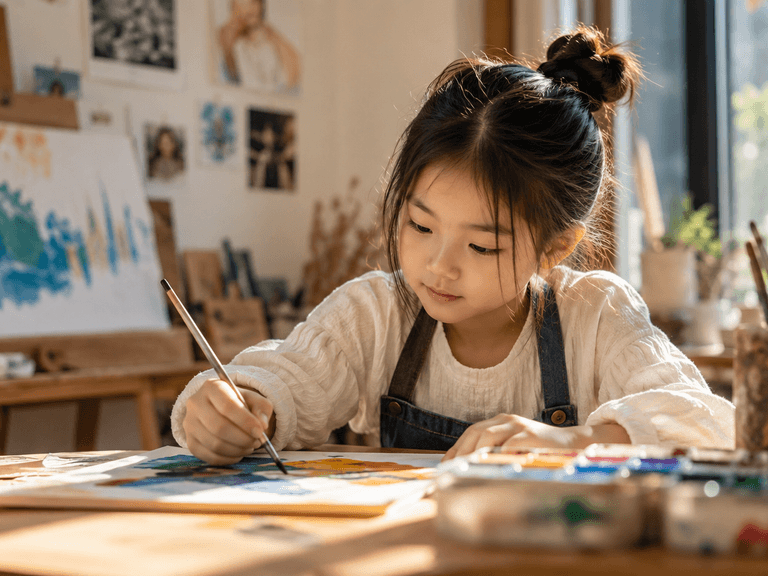
Creative freedom works best when children have enough structure to begin and enough freedom to make the work their own.
ART · 11 September 2026
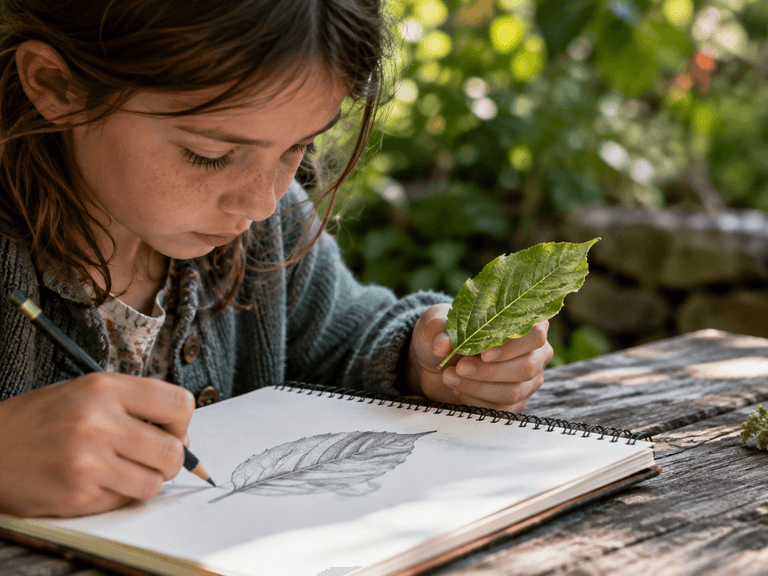
Observation is one of the quiet skills art develops: learning to slow down, look again and notice what was missed the first time.